Hail damage repair
Bruised or fractured shingles, dented flashing, and cracked pipe boots from South Plains hailstorms — assessed and fixed without over-selling a full tear-off you don't need.
Lubbock sits in hail alley, and after a storm rolls through, every out-of-state truck with a magnetic sign shows up too. Tell us what's going on and we'll connect you with an established local roofer, not a chaser.
Tell us what's going on and a local roofer will call you.
Bruised or fractured shingles, dented flashing, and cracked pipe boots from South Plains hailstorms — assessed and fixed without over-selling a full tear-off you don't need.
Documentation, photos, and a scope of work that holds up when an adjuster walks the roof — done by someone who'll still be in Lubbock next year to back it.
When wind-driven hail has actually totaled the roof, a permitted tear-off and replacement with a system rated for West Texas wind gusts.
An honest, independent look at the roof before you sign anything with an adjuster or a storm-chasing sales crew — no obligation to buy.
Lubbock and the South Plains rank among the highest hail-frequency areas in the country. Spring storm season, roughly March through June, regularly produces golf-ball to softball-size hail, and it isn't rare for a single afternoon cell to leave a trail of totaled roofs across a swath of the city. Add near-constant West Texas wind — gusts that turn hail into a horizontal impact instead of a vertical drop — plus blowing caliche dust that works into worn flashing and vents, and the wear pattern here looks different from almost anywhere else in the state.
That combination means the two most common calls we route aren't the same call: one is a slow leak from years of dust and UV wear on an aging roof, and the other is sudden hail impact that shows up as bruised mat and granule loss you can barely see from the ground. They get different repairs and, often, different funding — out-of-pocket for wear-and-tear, insurance claim for a qualifying hail event. A roofer who tells you which one you actually have, honestly, before quoting a full replacement, is doing the job right.
One more Lubbock-specific wrinkle: after a major hail event, the city fills up with roofing crews that drove in from out of state chasing the storm, wrote a bunch of contracts, and left town within a few months. If you're calling about hail damage, it's worth knowing who you're dealing with before you sign anything — see the licensing section below.
If a hailstorm is what sent you looking for a roofer, a few things protect you. First, document the damage yourself — photos of hail hits on the roof, gutters, AC unit, and any dented vents or window screens — before anyone else touches the property. Second, get an independent roof inspection from a local contractor before the adjuster's visit, so you know the actual scope going in rather than relying solely on the insurer's assessment.
Third, and this is Texas law, not a suggestion: do not sign anything on the doorstep that assigns your insurance claim to a contractor (an AOB) or promises to "cover your deductible." Since a 2019 change to Texas insurance law (House Bill 2102), it is illegal for a roofer to waive, rebate, or otherwise absorb your deductible — violators can face fines and jail time. Any crew offering a "free roof" through your insurance is either breaking the law or planning to inflate the claim to cover it, and either way it's a bad sign about who you're hiring.
Legitimate local roofers write an honest scope, help you understand what the policy covers, and let you pay your deductible like the law requires. That's a good filter on its own.
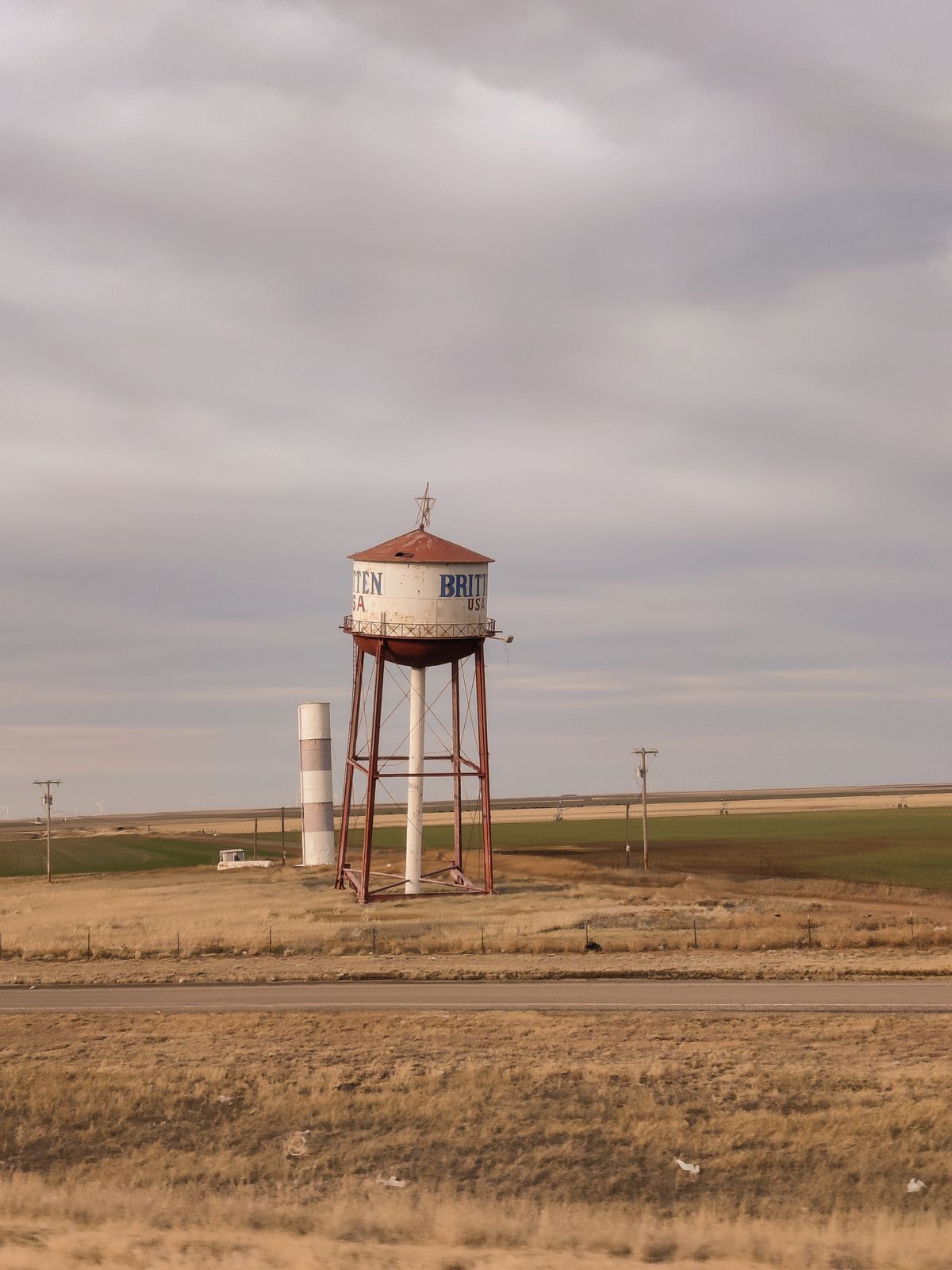
Texas does not license roofing contractors at the state level. The Texas Department of Licensing and Regulation doesn't administer a roofing credential, which means legally anyone with a truck and a ladder can call themselves a roofer — including the storm-chasing crews that follow hail season through the South Plains and are gone before a warranty claim would ever come due.
Since there's no state license number to look up, verify a roofer the way an insurance adjuster or a careful homeowner would: ask for a certificate of general liability insurance (and workers' comp if they have employees) and call the carrier to confirm it's active; confirm they have a physical business address in or near Lubbock, not just a P.O. box or an out-of-state cell number; and ask whether they carry manufacturer certification from GAF, Owens Corning, or a similar shingle maker, which requires factory training and backs the workmanship warranty. Membership with the Roofing Contractors Association of Texas (RCAT), a voluntary industry credential that requires passing a skills exam and carrying insurance, is a solid additional signal — it's not a state license, but it's the closest thing Texas roofing has to one.
Small repairs — a handful of hail-damaged shingles, a resealed pipe boot, patched flashing around a chimney or vent — typically run $350–$900 depending on roof pitch and access. Larger repair jobs involving a section of decking or valley work usually land between $900 and $2,500. Full replacement runs roughly $9,000–$16,000 for a typical single-story home on standard architectural shingles, moving higher for steep pitches, multiple layers to tear off, or upgraded wind-rated shingle lines suited to West Texas gusts. On an approved insurance claim, your actual out-of-pocket is generally the deductible, not the full replacement cost.
The City of Lubbock requires a building permit for re-roofing projects — generally anything beyond patching or replacing a handful of shingles — and the contractor pulling it must be registered with the city. A contractor who tells you a full tear-off doesn't need a permit is cutting a corner that can come back on you, not them, if there's ever a problem.
Contractors in our network cover Lubbock and the surrounding South Plains: Wolfforth, Shallowater, Slaton, Levelland, Idalou, and Abernathy. If you're just outside these towns, call anyway — most local roofers run routes well past the city line, especially after a storm.
From the ground it's often impossible to tell — bruised shingle mat and granule loss look subtle up close and invisible from your driveway. The reliable signs from below are dented gutters, dinged AC fins, and hit marks on window screens or a mailbox, which suggest the roof took a similar beating. An independent inspection is the only way to know the real scope before an adjuster's visit.
Yes. Since a 2019 change to Texas law, it's illegal for a roofer to waive, pay, or rebate any part of your deductible, or to promise a "free roof" through insurance. A contractor offering that is either breaking the law or planning to inflate the invoice to cover it — walk away.
For an active leak, most local roofers in our network can get a tarp on the same day and a repair scheduled within a day or two. After a major hail event, scheduling backs up citywide fast, so if your roof is damaged, it's worth calling before the next storm, not after it gets worse.
No — Texas doesn't license roofers at the state level, so there's no license number to search. Instead, verify liability insurance directly with the carrier, confirm a local physical address, and look for manufacturer certification (GAF, Owens Corning) or voluntary RCAT membership. See the licensing section above for details.
Nothing. We're free for homeowners. We connect your request with local roofing contractors; the contractor may pay us a referral fee, which never changes your price.
Texas does not license roofing contractors at the state level, so unlike electricians or HVAC techs, there's no TDLR number to look up before hiring one. That gap is exactly what storm-chasing crews rely on after a hail event. Instead, ask any roofer for proof of active general liability insurance (call the carrier to confirm), a local physical business address, and manufacturer certification such as GAF or Owens Corning. Voluntary membership with the Roofing Contractors Association of Texas (RCAT) is a good additional signal — it requires passing a skills exam and carrying insurance. Every contractor in our network can produce this information; we encourage you to ask for it anyway.